A neuro-affirming STEAM program where young minds find their awesome.
Junior Hangz is a small-group STEAM program from Neuro Awesome — structured enough to feel understandable, flexible enough for different ways of engaging, centred on shared interests.
🎉 Real Connection
No forced small talk
🧠 Be Yourself
Stimming & pacing welcome
✨ Comfy Spaces
Calm, low-sensory setup
Pilot launching late August 2026
Register early to shape days, times & the first age cohort!
Sensory-Friendly by DesignA clear, predictable pilot — built around small groups
Late Aug 2026
Pilot commencement
1 / week
Initial class frequency
Up to 3 hrs
Venue booking window
Max 10
Participants per class
2
Science & tech educators
K–Year 12
Age-appropriate streams
Weekday sessions may suit homeschool families; after-school or weekend options may suit mainstream-school students. The first regular time is chosen by demand, educator availability and venue access.
Connection & curiosity — without the overwhelm
Many neurodivergent kids want friendship and to explore their interests — but conventional classrooms, clubs and unstructured social spaces can be hard to navigate. The challenge isn't a lack of interest; it's the sensory load, pace and pressure to participate in one particular way.
A community enrichment program — not therapy, tutoring, or a replacement for school.
Reducing isolation through shared passions
Neuro Awesome is a Southern Highlands start-up not-for-profit creating safe, low-pressure, neuro-affirming spaces — so no one has to mask, perform socially, or engage in one prescribed way.
Radical Neuro-Affirmation
Stimming welcomed, parallel play celebrated, quiet decompression zones always available. No forced eye contact or public performance, ever.
Hands-On STEAM & Tinkering
Science, tech, engineering, arts and maths — with art woven into the technical work and physics embedded across the streams. Open-ended exploration.
Low-Pressure Friendship
Bonds form when hands are busy building together — through shared interests and zero forced icebreakers. Observe before joining; contribute your own way.
 From Neuro Hangz to a kids' STEAM program
Born from a growing Southern Highlands community
Neuro Awesome has built a growing local community through Neuro Hangz social events, D&D sessions, creative activities, parent peer connection and learner-driver education.
Families kept asking: "Can you create something just as validating and safe for our kids and teens?" So we began running informal tinker afternoons — and kids who were hesitant to speak were suddenly animated, collaborating and demonstrating their inventions.
Now we're shaping Junior Hangz into a structured, community-backed STEAM program — exploring a venue collaboration with PCYC Mittagong as our initial weekly home. Register your interest to help us pick the first age cohort, days and times.
Science, Technology, Engineering, Arts & Maths
Practical, structured-but-flexible experiences across STEAM — with art woven into the technical work and physics embedded across the streams.
Science & Physics
Forces, magnets, ramps, light, sound, floating and sinking — with physics embedded across the streams.
Engineering & Making
Bridge, tower, shelter and marble-run challenges that build problem-solving through building.
Technology & Robotics
Safe low-voltage circuits, light-up designs, robotics, sensors, micro:bit and introductory coding.
Arts, Integrated
Design, model-making, visual communication, storytelling, sound, creative technology and imaginative problem-solving.
Projects participants may explore
The program grows into separate age-appropriate streams from Kindergarten to Year 12. The pilot begins with the cohort showing the strongest demand and expands gradually.
Sensory Decompression Hub
Noise-cancelling headphones, bean bags, weighted lap pads, warm dimmable lights and cozy reading nooks — a quieter or lower-sensory breakout area where available.
Parent & Carer Lounge
A warm, judgment-free space with good coffee and tea to swap stories, recharge, or connect with fellow parents and support people.
Moments of Focus, Wonder & Unmasked Joy
Sensory Science & Mist Lab
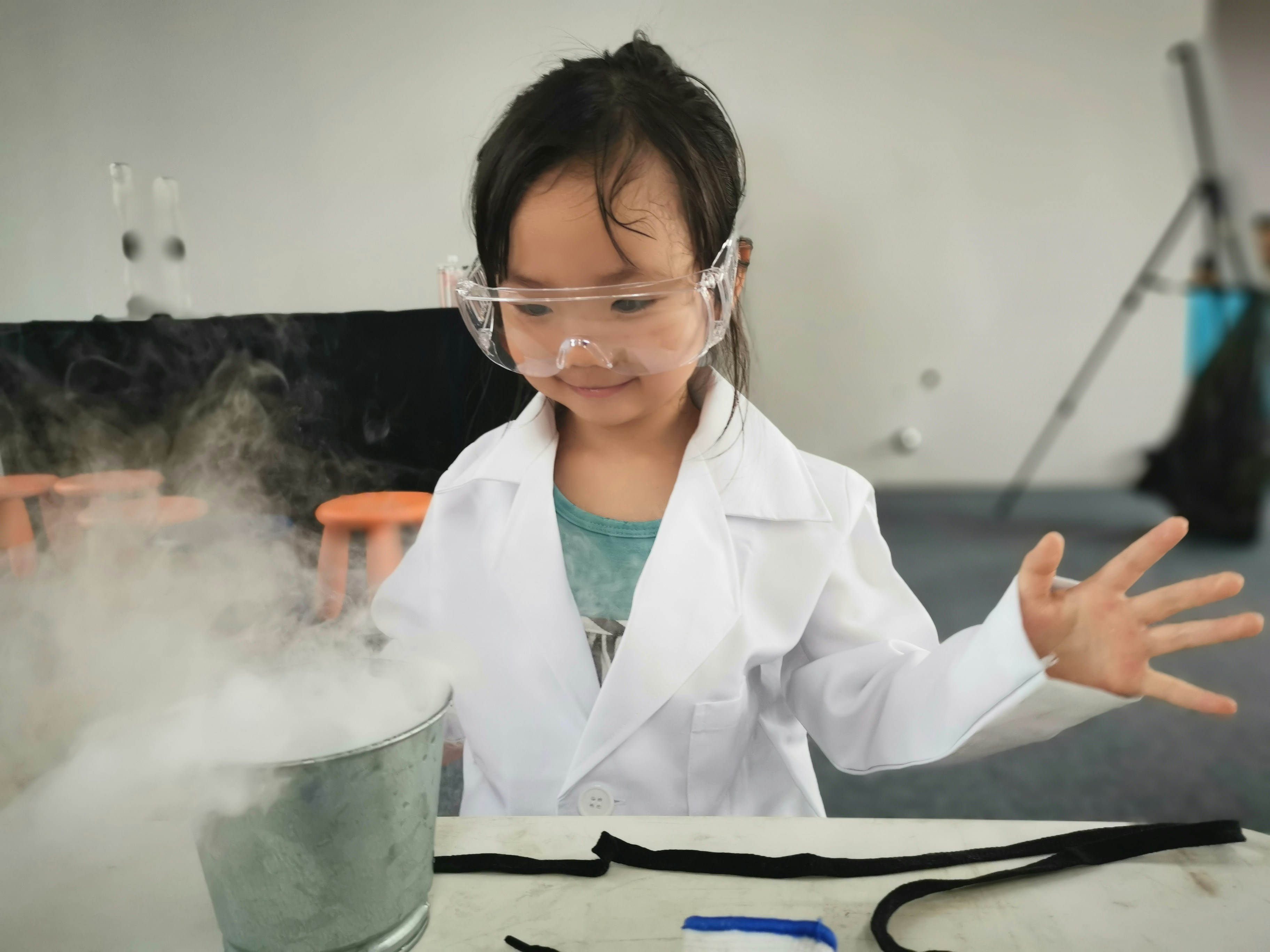
Curiosity ignited through hands-on fog, tactile experiments, and wonder.
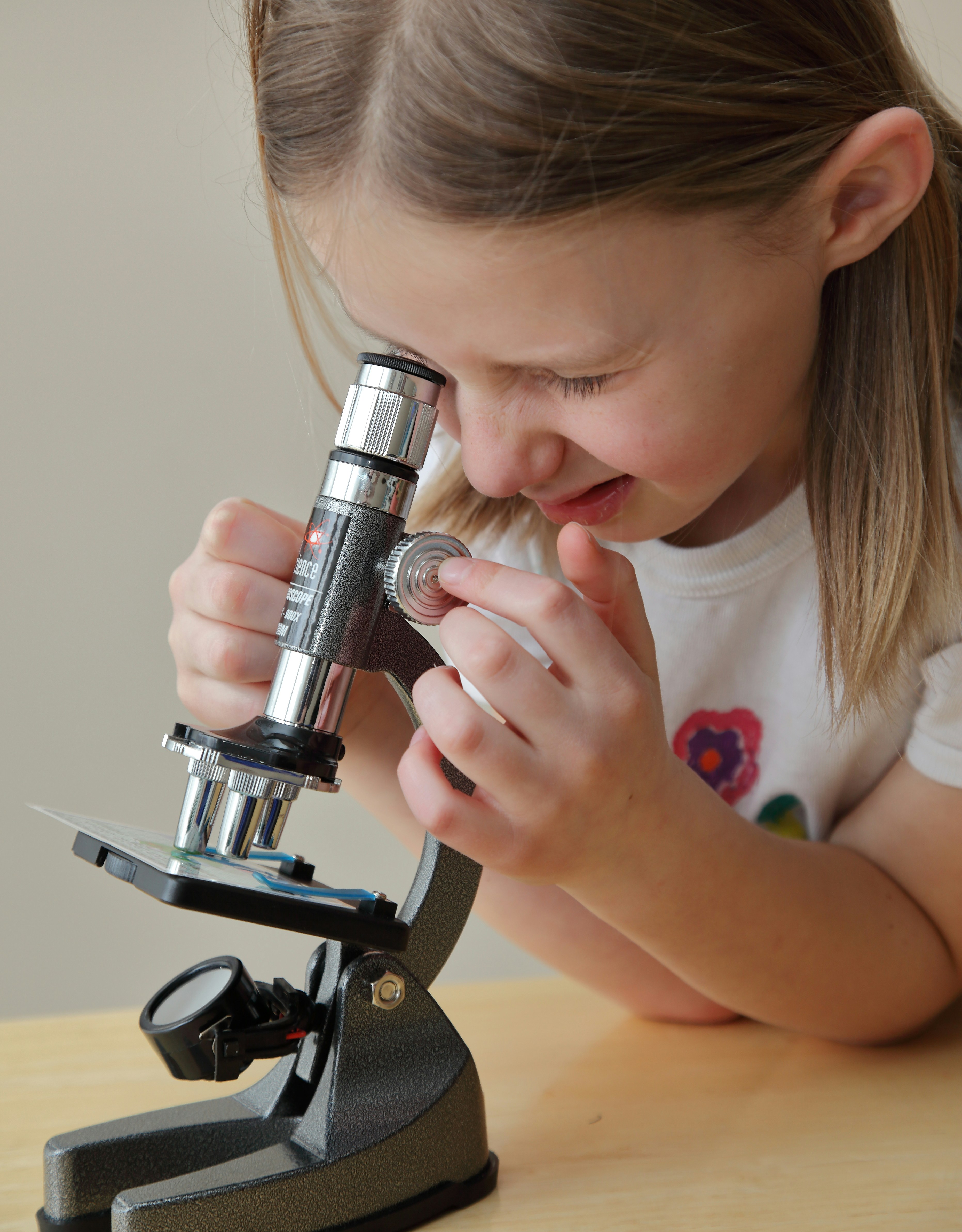
Deep-Dive Microscope Optics
Microscopic focus and unhurried investigation of slides and natural textures.
Colour Chemistry & Pipettes
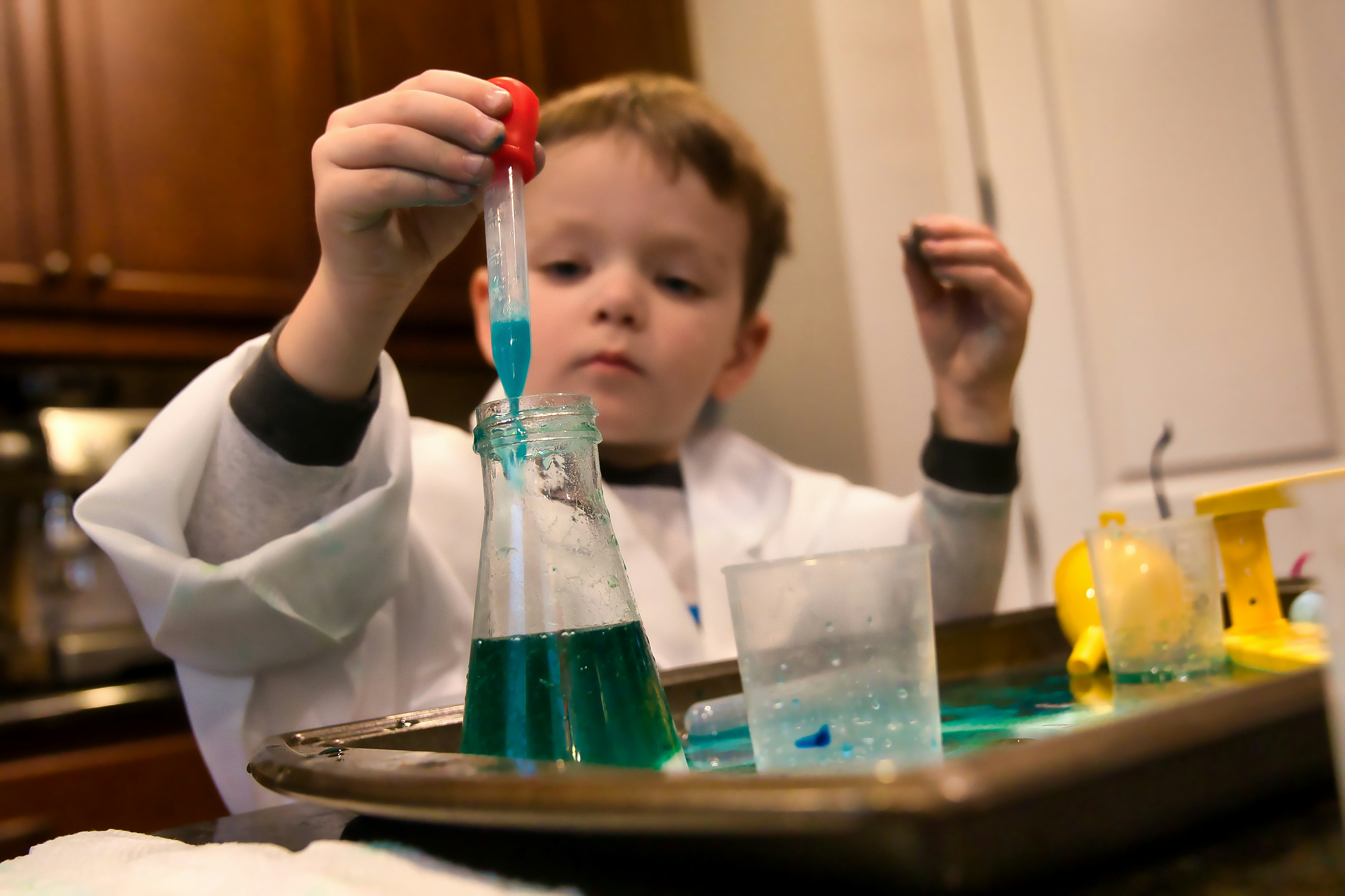
Tactile fine-motor play and mesmerizing fluid reactions.

Electronics & Circuitry Exploration
Real micro-boards, wiring, micro:bits, and open-ended robotic assembly.
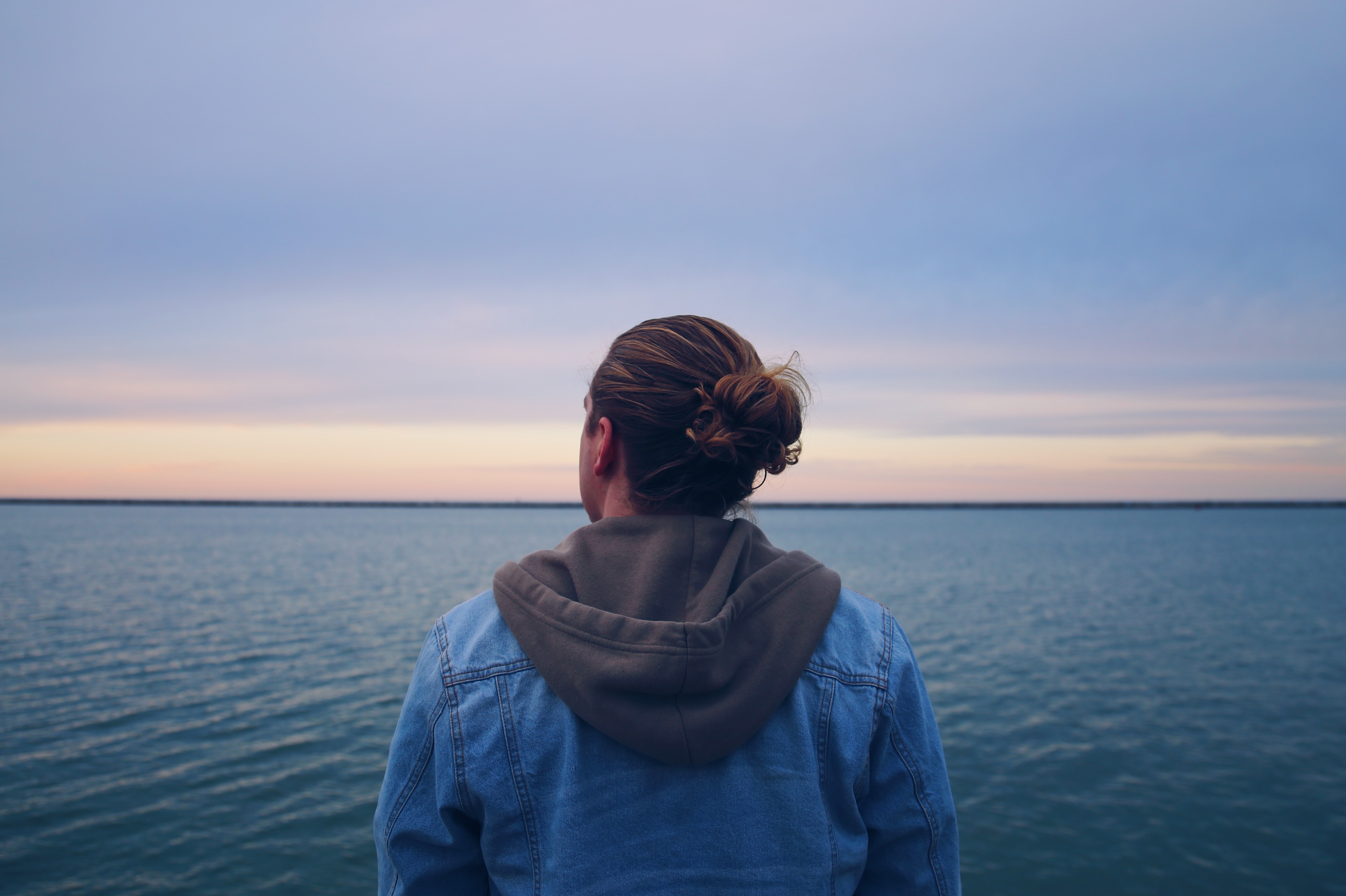
Gentle Pacing & Mindful Breathing
Safe spaces to decompress, reset, and simply take in the moment without pressure.
A predictable rhythm, with room to be yourself
Workshops run around 60 minutes for younger groups to 90–120 minutes for older groups.
Why we book up to three hours
A three-hour venue window isn't a three-hour lesson. It allows time for setup and equipment prep, gradual family arrival and sign-in, settling and regulation, the workshop, breaks, then pack-down and cleaning.
Welcome & visual agenda
A visual agenda and safety info so everyone knows what's coming.
A challenge or problem
A short demonstration, challenge or real-world problem to spark curiosity.
One explained concept
A single concept or skill, explained clearly and at an age-appropriate level.
Build, test & investigate
Individual or small-group building, testing and investigation — hands on.
Debug & redesign
Debugging, redesign and trying again. Getting stuck is part of the process.
Optional sharing
Optional sharing or demonstration — contributing is always a choice, never a demand.
Calm close & preview
A calm close, pack-down and a preview of the next session.
No single "correct" way to participate
No forced eye contact, public performance, or one prescribed way to take part. Participants may:
- Work with others or alongside others
- Observe before joining
- Ask questions verbally or in another preferred way
- Use sensory supports & take regulation breaks
- Contribute through building, drawing, testing or presenting
- Choose not to speak in front of the group
Staffing & supervision
- Two science & technology educators present for each class
- Potentially one additional approved Neuro Awesome volunteer
- A maximum of 10 participants (lower cap where required)
- Parents, carers or support workers may remain where needed
- All team members hold current Working With Children Checks; first-aid-trained person present
Be Part of Our Founding Cohort
Pilot classes are capped at 10 participants. Register your interest to receive first invites and help us choose workshop days, times and the first age cohort.